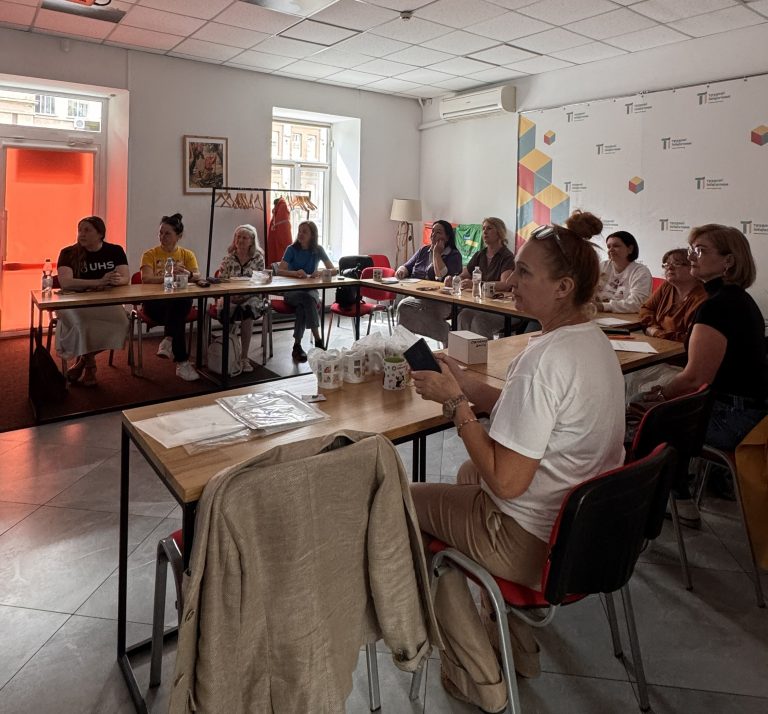
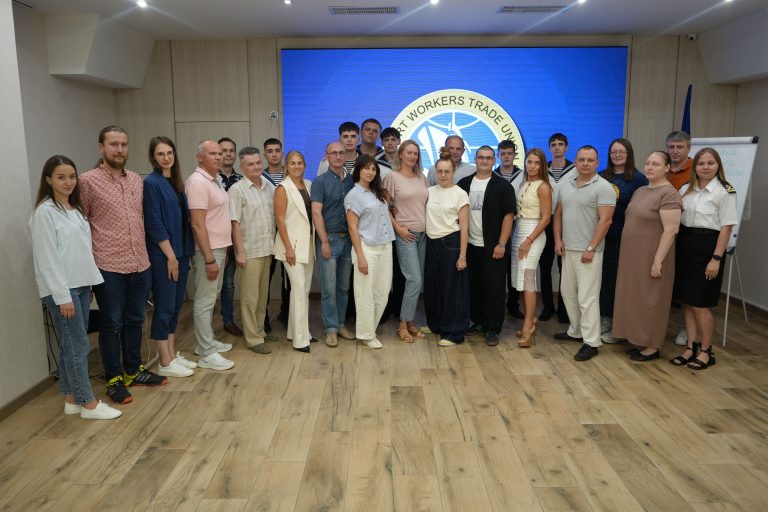
On February 18, 2026, the Federation of Trade Unions of Ukraine (FPU) organized a one-day roundtable in Kyiv to discuss mental health as a key element of decent work, particularly during the war in Ukraine.
This initial roundtable sparked a series of discussions on mental health, including roundtables and seminars across Ukraine’s regions, as part of the project “Trade Unions Fighting Inequality and Reconstructing Peace and Democracy in Ukraine.”
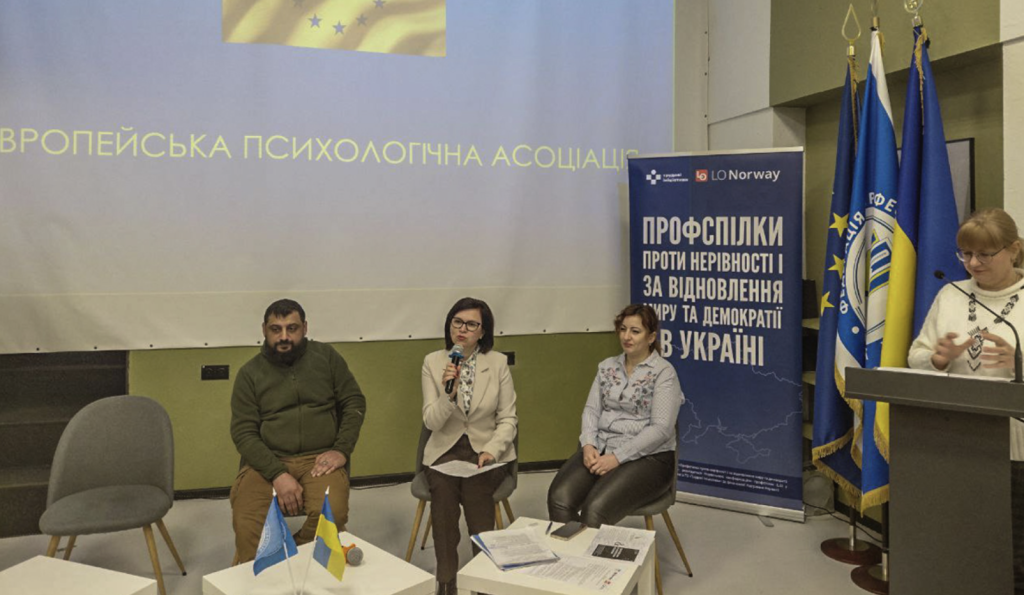
The discussion brought together a distinguished group of attendees, including MPs, the ILO representative in Ukraine, FPU leadership, officials from the Ministry of Veterans and the Ministry of Social Policy, representatives from employers` associations, union leaders from various sectoral and All-Ukrainian Unions, and scholars.
Such a representative audience confirmed the significance of discussing and collaborating among social dialogue partners on preventing psychosocial risks and enhancing mental health at work, for Ukrainian workers currently enduring the war and with a view toward the post-war period.
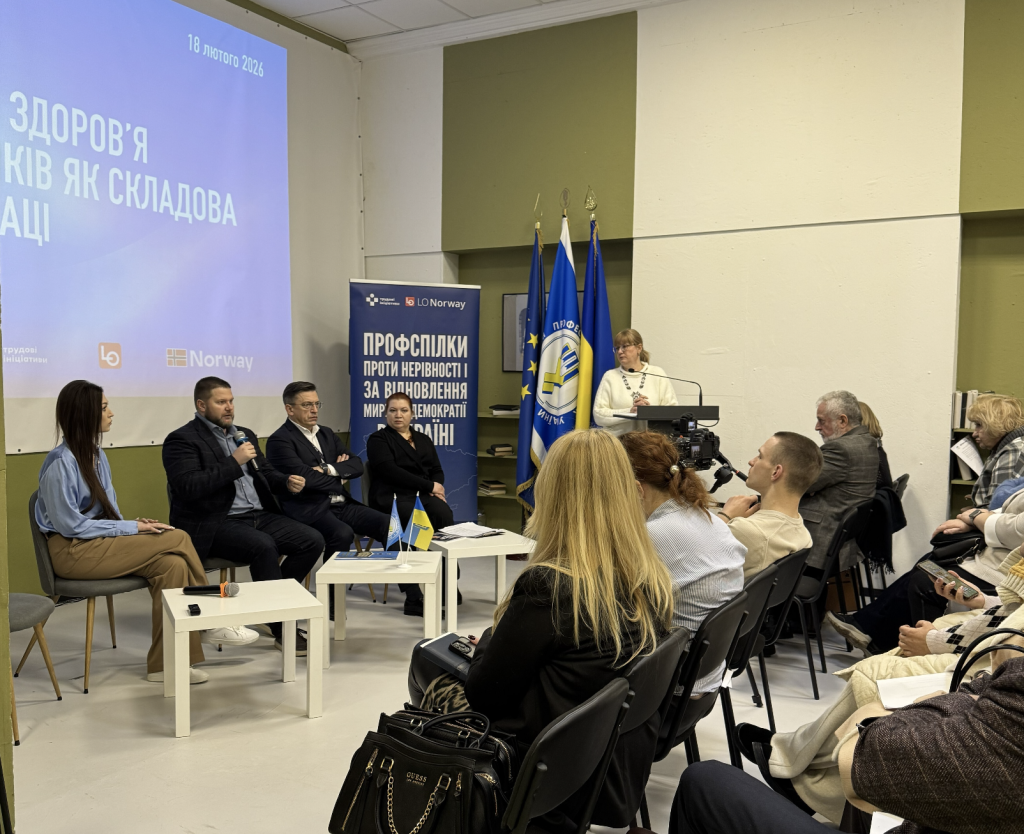
The discussion emphasized the importance of incorporating mental health provisions into collective bargaining agreements, recognizing that mental health is a crucial aspect of decent work and an integral part of workplace health and safety systems. Addressing psychosocial risks can help decrease stress and burnout, enhance workers’ ability to adapt to change, prevent conflicts, and foster better team interactions.
Special attention was given to international labor standards like ILO Conventions Nos. 155 and 187, focusing on protecting workers’ physical and mental health and preventing occupational accidents and diseases. Additionally, the Norwegian experience of collaborative efforts between employers and trade unions to prevent psychosocial risks at work was highlighted.
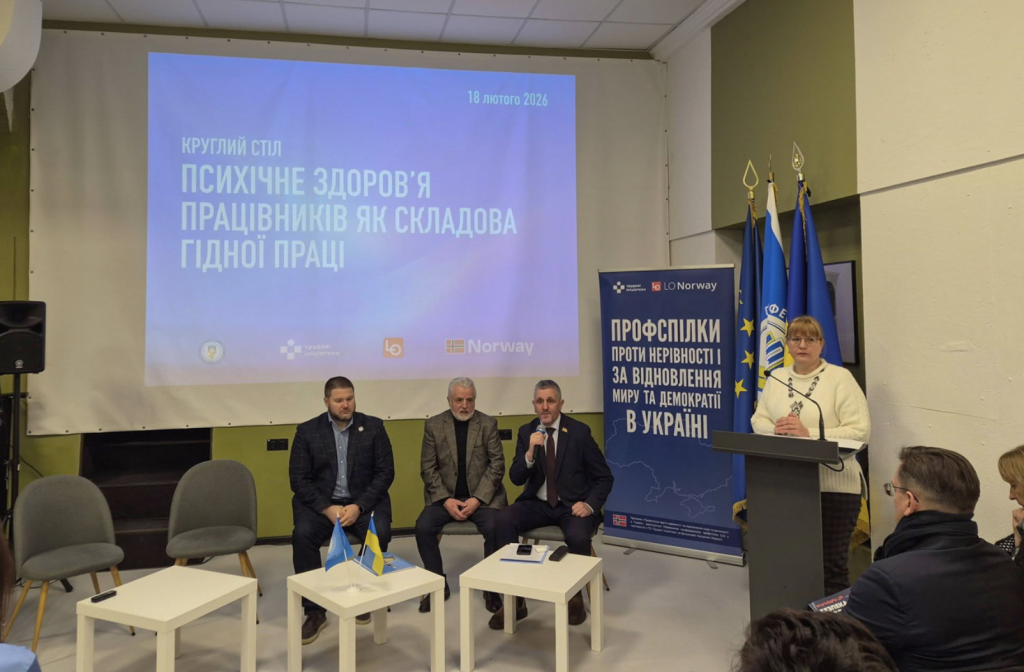
The roundtable focused not only on workers dealing with daily stress and anxiety due to wartime conditions but also on veteran reintegration, workplace support initiatives, and professional rehabilitation. Participants emphasized that employers and trade unions bear joint responsibility for fostering a safe, supportive, and veteran-friendly environment.